 Dr Vikas Sharma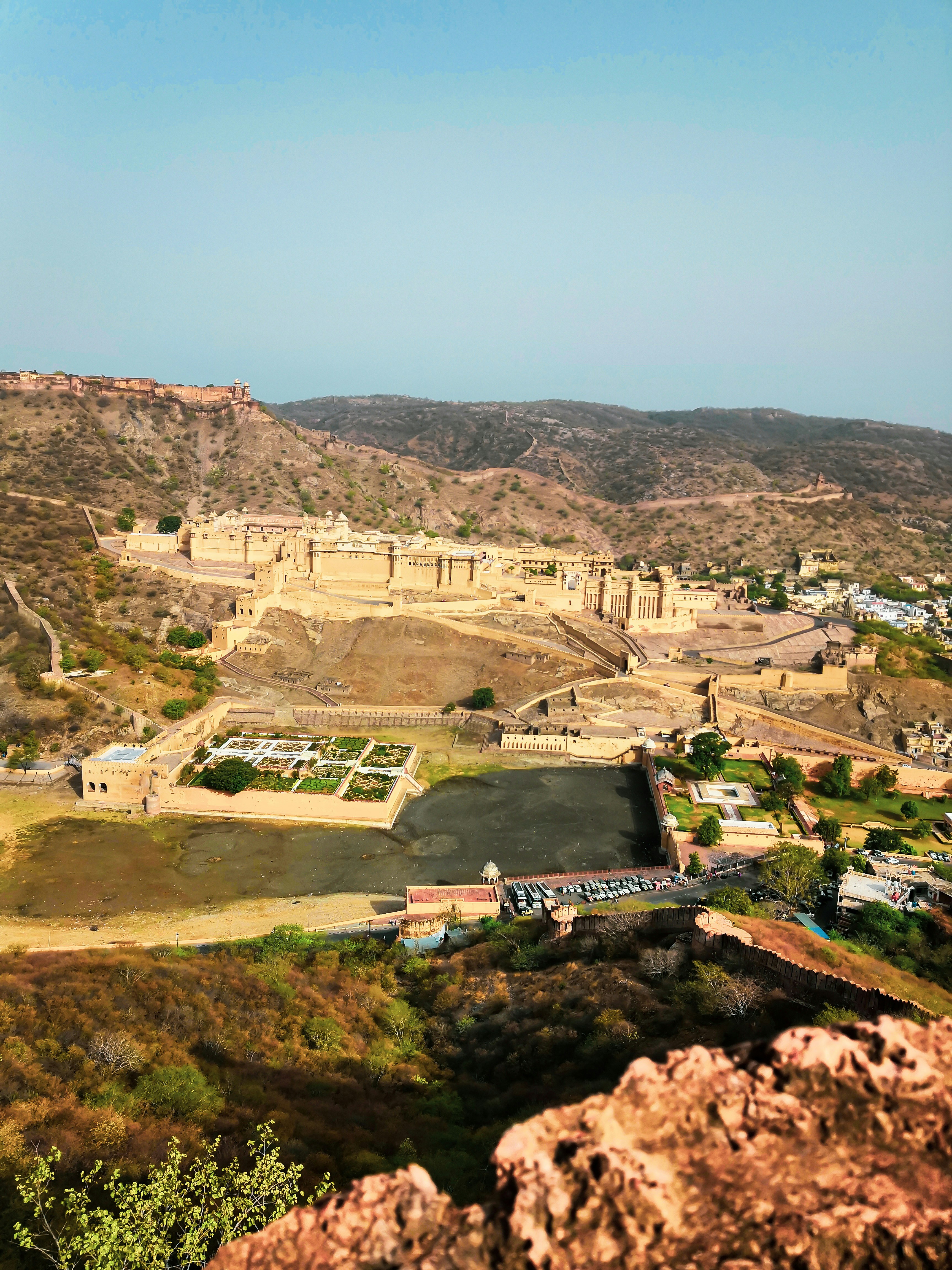
Introduction to the Aravalli Range Dispute
The Aravalli Range, one of the oldest mountain ranges in India, extends across several states including Rajasthan, Haryana, and Delhi. Spanning approximately 800 kilometers, this ancient geological formation plays a crucial role in the ecology, hydrology, and climate of the region. It serves as a vital ecological corridor, influencing the rainfall patterns and sustaining a diverse array of flora and fauna. The significance of the Aravalli Range is not only geographical but also cultural, as it is home to multiple historical landmarks and serves as a natural barrier against urban expansion.
In recent years, however, the legal boundaries of the Aravalli Range have come under scrutiny. Controversial court rulings have sought to redefine its geographical limits, igniting disputes among local communities, environmentalists, and urban planners. The original order issued by the court aimed to delineate specific areas within the Aravalli Range to facilitate urban development. This decision has resulted in significant backlash due to concerns regarding environmental degradation and the potential disruption of local ecosystems.
The court’s ruling has had far-reaching implications for land-use policies and urbanization initiatives in the surrounding areas. Opponents argue that a redefined boundary could lead to unchecked construction activities, threatening the ecological balance and leading to increased pollution. Proponents of the ruling maintain that urban development is essential for economic growth. The conflicting viewpoints highlight the complexity of managing natural resources in an increasingly urbanized environment.
As the controversy surrounding the Aravalli Range continues to unfold, the top court’s recent decision to seek expert reports signals a cautious approach to addressing the underlying issues. By reevaluating the legal definitions and considering expert opinions, there is hope for a resolution that balances environmental conservation with urban development needs.
Details of the Court’s Stay Order
The recent decision by the Top Court to stay its own order regarding the definition of the Aravalli range has generated substantial discourse within legal circles. This stay order arises amidst ongoing debates over the geographical boundaries and environmental significance of the Aravalli range, a key ecological zone in India. The legal backdrop of the case revolves around conflicting interpretations of the Aravalli range, with various stakeholders advocating for distinct definitions based on environmental, legal, and developmental considerations.
On one side of the argument, environmental activists and conservationists emphasize the need for a broad definition that acknowledges the Aravalli range’s role in biodiversity conservation and ecological balance. They argue that a restricted definition could pave the way for unregulated urbanization and exploitation of natural resources, potentially leading to environmental degradation. They stress the importance of recognizing the Aravalli range as a crucial ecological asset that requires protection under environmental laws.
In contrast, developers and certain governmental factions contend that a limited definition is necessary to facilitate urban growth and infrastructure projects. They argue that certain areas of the Aravalli range should be categorized differently to promote sustainable development and economic upliftment for local communities. This dichotomy highlights the tension between conservation efforts and developmental aspirations in the region.
Given the complexities of these arguments, the court has opted to seek further expert opinions before making a definitive ruling. By soliciting reports from environmental scientists, urban planners, and legal experts, the court aims to obtain a comprehensive understanding of the implications of its previous order. This decision to pause and consult further emphasizes the judiciary’s commitment to informed decision-making, especially concerning issues that intertwine environmental conservation with socio-economic growth.
Expert Opinions: What’s at Stake?
The Aravalli Range, known for its rich biodiversity and complex ecosystems, is a critical area for environmental conservation and land-use planning. To make informed decisions surrounding its management, experts play a crucial role. Their assessments are fundamental in addressing the ecological integrity of the region and the associated land-use policies. Various types of specialists may be consulted, including ecologists, geologists, environmental scientists, and urban planners, each bringing a unique perspective on the multifaceted issues at hand.
Ecologists will focus on the biological aspects, examining species diversity, habitat integrity, and the potential impacts of land development on local wildlife. Similarly, geologists will evaluate the geological characteristics of the Aravalli Range, assessing soil stability and the consequences of mining activities. Environmental scientists will provide insights on climate change implications and water resource management, alongside other key ecological components such as air quality and pollution levels.
The findings presented in expert reports are likely to shape future legal frameworks and decision-making processes surrounding the Aravalli Range. These reports not only inform policymakers but can also serve as critical evidence in legal disputes related to land usage. A comprehensive understanding of the environmental value of the Aravalli Range, through expert analysis, can ultimately guide sustainable development initiatives that balance ecological conservation with economic needs.
Moreover, expert input can also enhance public awareness regarding the importance of preserving the Aravalli ecosystem, fostering community support for conservation efforts. Regular engagement with experts ensures that the impacts of human activity are thoroughly analyzed, promoting an approach that safeguards this vital region for future generations.
The recent decision by the top court to stay its own order on the definition of the Aravalli Range heralds significant implications for environmental policies in the region. As the court seeks an expert report, various outcomes may emerge that could reshape approaches to environmental protection and resource management. With the Aravalli Range being a crucial ecosystem, the established guidelines for its protection are vital for maintaining biodiversity and ecological balance.
One potential impact of revised definitions and policies might center around biodiversity conservation. If the court’s decision leads to stronger protection measures, local flora and fauna could experience improved habitats. This is of particular importance in the Aravalli Range, which is home to numerous endangered species. Conversely, a lack of stringent regulations could exacerbate environmental degradation, which would adversely affect both wildlife and local communities reliant on natural resources.
Moreover, urban development projects in adjacent areas may also come under scrutiny as the court’s decision resonates through zoning and land-use policies. If experts advise the need for more rigorous environmental checks, developers may face increased obstacles and requirements before proceeding with construction. This could inhibit the pace of urbanization; thus, instilling a balance between development and ecological sustainability remains a pivotal concern.
For local communities, the outcome of this legal deliberation carries additional weight. Changes to policies based on expert recommendations could alter access to important resources such as water and timber. Engaging local stakeholders in these discussions ensures that their voices are heard and that policies reflect the needs and rights of those who inhabit the Aravalli Region.